All Categories
Featured


2026 Medical Insurance Solutions for Diabetics
Table of Contents
By Damian Tysdal, licensed travel insurance agent because 2006 Updated 12 September 2026In shortOutside the United States your health insurance coverage pays little or absolutely nothing and Medicare pays absolutely nothing, so the medical benefit in a travel insurance plan is what pays the medical facility and the flight home. Set $100,000 of emergency medical as the floor for a journey abroad, $250,000 or more for a cruise or a tourist over 65, and compare strategies on price from there.
Outside the United States most plans pay little or absolutely nothing, Medicare pays nothing at all, and on a cruise liner the medical center does not even ask for your insurance coverage card. Travel medical insurance is what pays the healthcare facility, the doctor and the flight home when you get sick or hurt away from home.
The question beneath every travel medical concern is the very same one: if I get injured there, who pays, and do I have to pay first? Here is the truthful response for each kind of coverage people currently have. What you have Outside the United States On a cruise liner Medicare Pays absolutely nothing, apart from a couple of narrow border cases.
Life Insurance for Cancer SurvivorsNavigating Cancer Medical Coverage Eligibility
After that, nothing. Medigap prepares C, D, F, G, M and N Pay 80 percent of emergency care in the first 60 days of a journey, after a $250 deductible, up to $50,000 in your lifetime.
Life Insurance for Cancer SurvivorsSome spend for emergencies abroad, lots of do not, and none spend for evacuation. Like abroad. Employer or marketplace health plan Differs. Many pay nothing abroad. The ones that do treat you as out of network, want the costs paid first, and pay nothing to fly you anywhere. Ship medical centers do not costs health insurance at all.
A travel insurance plan Pays the health center and the medical professional up to the strategy's medical limit, and pays to move you to a much better medical facility and home under the evacuation limit. Very same, and it is the only thing that does. The practical response to "do I need to pay very first" is: sometimes.
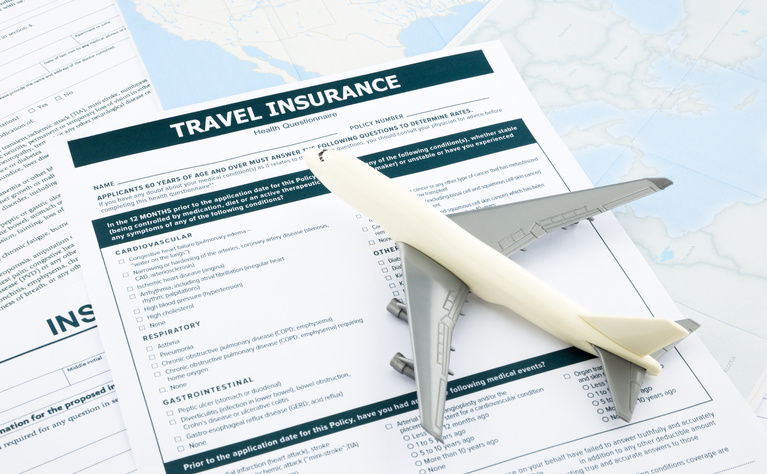
For a clinic go to or a prescription, you pay and claim it back. The first call, before any costs, is to the 24-hour number on your policy. Two numbers, and they do different tasks. The emergency medical limit pays the health center. The evacuation limit pays to move you to a health center that can treat you and then home.
Emergency situation medical: at least $100,000 for a trip outside the United States. $250,000 or more for a cruise, a remote location, a long trip or a traveler over 65, because a week in a foreign hospital can pass $100,000 on its own.
Future Impaired Risk Assessment Innovations for 2026
These are the plans I would price initially when the hospital expense is the worry. All of them are on the comparison, so you can see them priced for your journey beside each other. Limitations were examined each insurer's strategy page on 12 September 2026; the business links go to our complete reviews.
That covers a damaged wrist and an emergency clinic go to. It does not cover a week in a health center or a surgery abroad, which is what the plan is for. Primary protection pays. You file the claim with the travel insurance provider and you are done. Secondary coverage pays after any other insurance you have, which can imply filing with your health insurance initially, awaiting its response, and then filing the rest with the travel insurer.
Main is much faster and involves less documentation, and it is worth having (7 Corners Journey Protection Choice, Tin Leg Gold and Trawick Pathway Premium pay primary), however a $250,000 secondary limitation protects you better than a $50,000 primary one. Many individuals must purchase the bundle strategy, due to the fact that they have prepaid cash on the line and the medical advantage includes it.
Medical inside a bundle plan A standalone travel medical plan What it covers Cancellation, disruption, medical, evacuation, delays and bags, all in one. Medical expenses and evacuation abroad. Little or no cancellation protection. Who it is for Anybody with prepaid, non-refundable money on the line. Somebody with nothing prepaid to lose, a long stay abroad, a visitor to the United States, or a student.

Latest Posts

Comprehensive Health Insurance for Global Travel
Strategic Planning for Specialized Risk Protection Needs

The Guide to Finding High-Risk Insurance Success